Water Damage Restoration Boca Raton, FL

Water is spreading across your floor. It soaks into drywall fast. You need clear next steps, not a sales pitch. This site helps with water damage restoration Boca Raton, FL homeowners face after leaks, bursts, and storms. One call connects you with a local water damage professional who can talk through your situation. Just a direct route to help.

The first hours matter, whether the water came from a burst pipe, a leaking water heater, or heavy rain. Dry materials can often be saved. Read the safety notes below first. For a water emergency, call now and explain what is happening.

Boca Raton, FL 9 ZIP codes covered Phone only: talk to a local professional
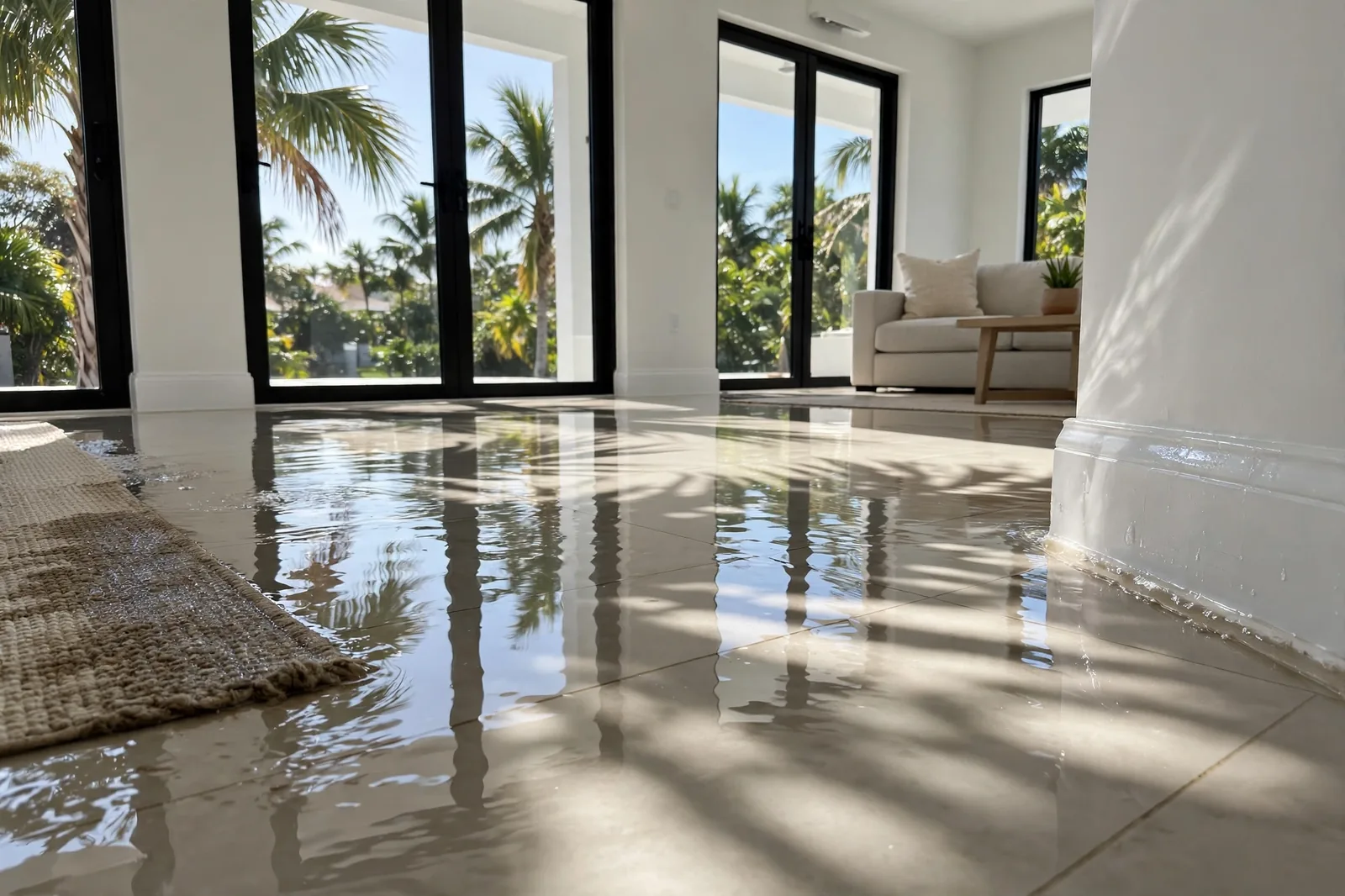
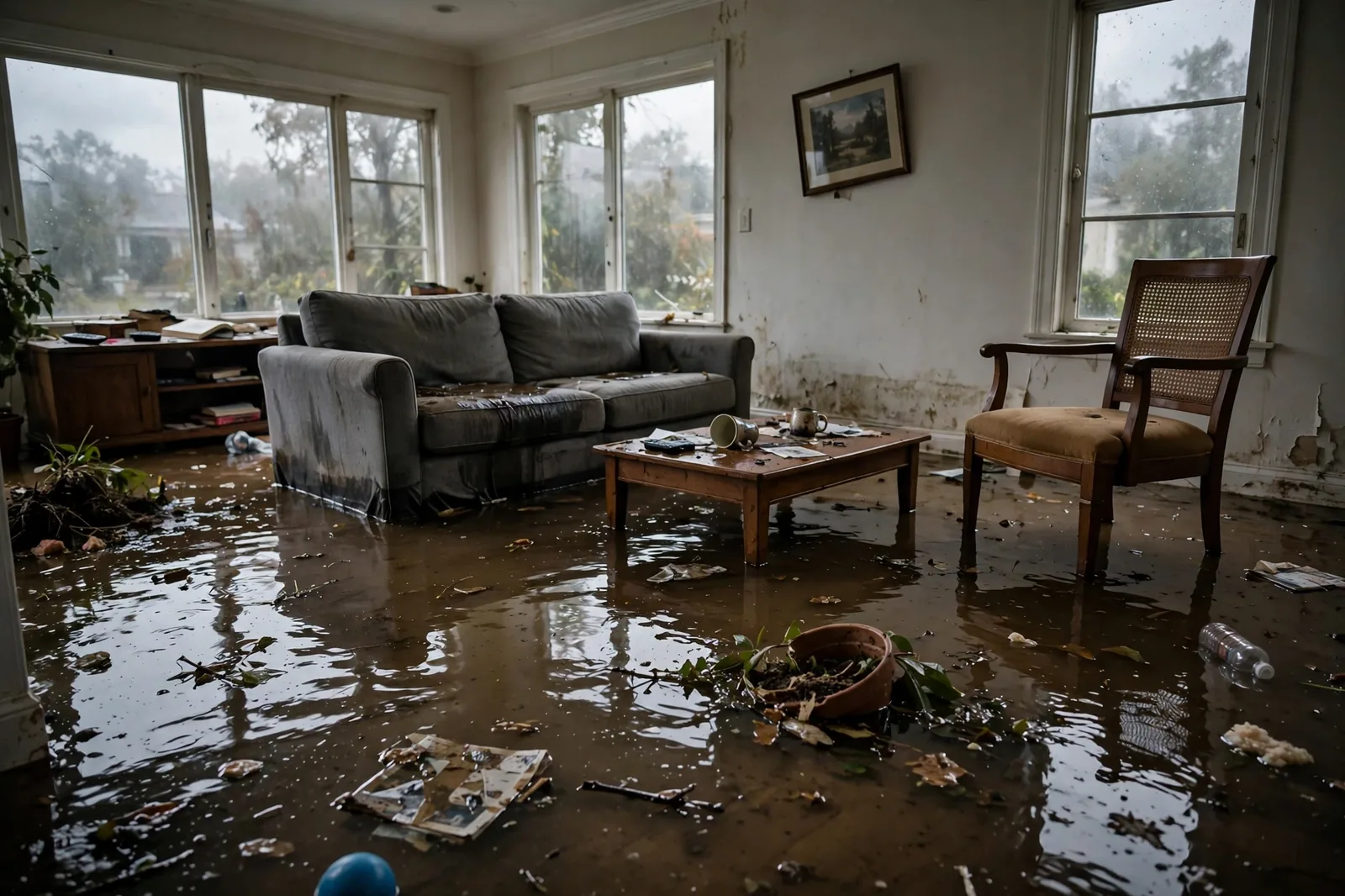
Water spreading across a living room floor in a Boca Raton home

The Short Answer

Water damage restoration is the process of removing water, drying the structure, and repairing what the water harmed. In most cases it starts with finding and stopping the source. Then standing water is removed and the area is dried with air movement and dehumidification. Materials that cannot dry safely may be removed. If water is near power or may contain sewage, skip every step and call a professional first.

How it works

How calling this number works

Calling this number connects you with a local water damage professional in the Boca Raton area who handles jobs like yours. You explain what happened, and they talk you through the next steps for your home.

This website's job is to make that connection simple. The professional you speak with runs their own business, and the work itself is agreed between you and them, including the scope, the schedule, and any warranty. Before work begins, ask them to confirm the license and insurance your job requires, and to put the key terms in writing.

Signs and causes

Signs You Need Help, and What Causes This Damage

Most water damage starts small and quiet. A slow drip under a sink can soak a cabinet base for weeks. Common causes in Boca Raton homes include burst or leaking pipes, AC condensate line clogs, water heater leaks, roof leaks after storms, and leaking dishwashers or washing machines. Heavy rain can also push water in at doors, windows, and low spots.

Watch for these signs:

Example situation: You find the floor by the air handler closet damp each afternoon. That pattern often points to a clogged AC drain line. The safe move is to turn the system off and keep the area clear until it is checked.

Safety first: when to stop

Some checks are safe. You can close the main water valve if you can reach it without standing in water. You can move dry belongings out of the wet area. Stop there in these cases. Keep out of standing water near outlets or appliances. Never touch sewage water. Stay out from under a sagging ceiling. If you smell gas or a carbon monoxide alarm sounds, leave the home and call the gas utility or 911.

When in doubt, treat it as a stop sign. Water plus power is never a small problem.

Services

Services for Water Damage Restoration Boca Raton Homes

Every job is different, yet most calls fall into a few clear groups. These are the water problems Boca Raton homeowners usually call about.

Water spreading across a living room floor in a Boca Raton home

Water damage restoration

This is the core work behind this site. It covers the full path from water removal through drying and into repair of damaged materials. It is the right starting point when water has soaked floors, walls, or ceilings.

See how restoration works
Flooded living room in a Boca Raton home after heavy rain

Flood damage restoration

Storm water and flooding bring extra grit, debris, and contamination concerns. This work focuses on removing flood water safely, drying the structure, and cleaning surfaces the water touched. It suits homes affected by heavy rain or rising water.

Flood damage restoration
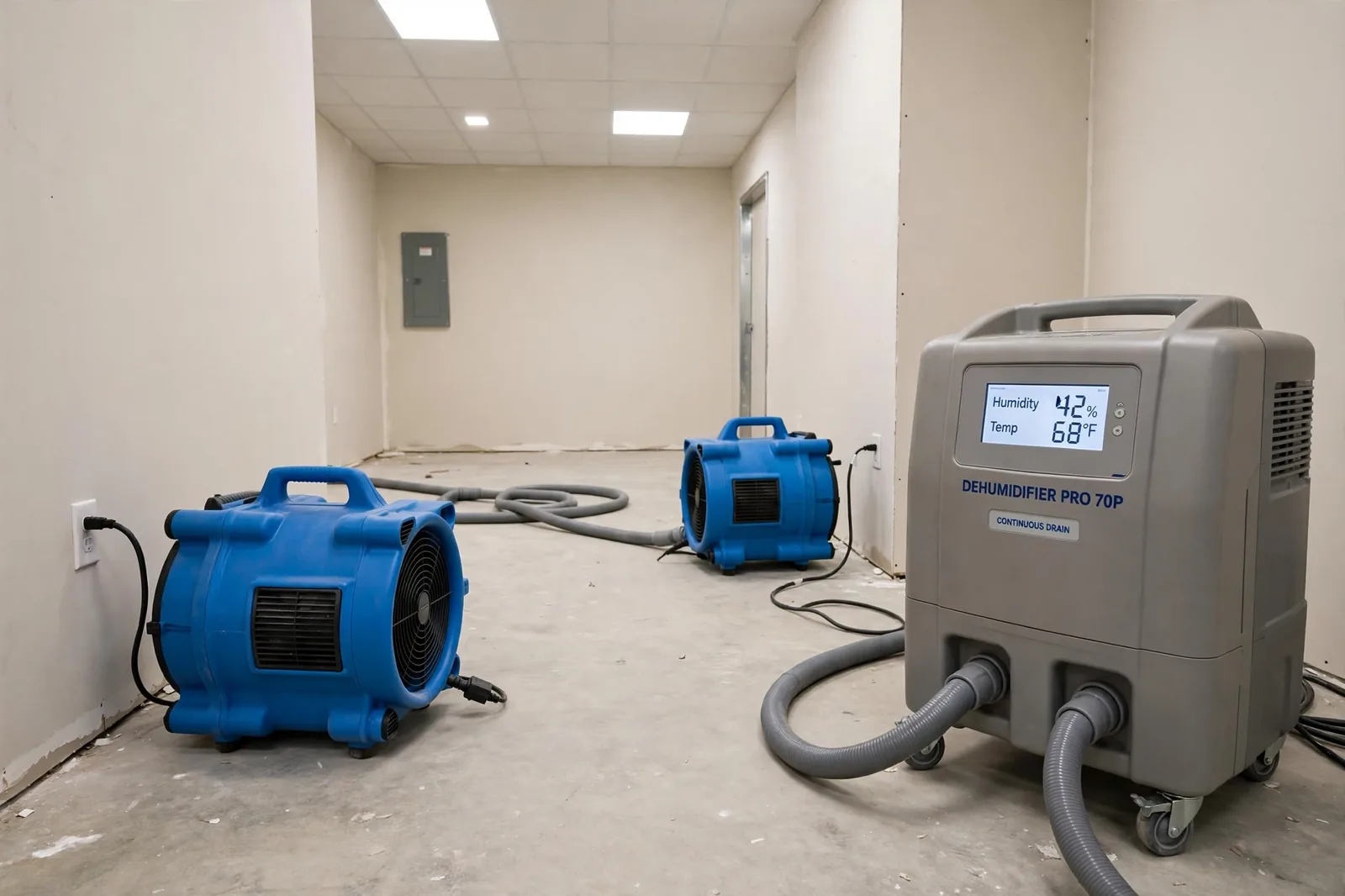
Air mover and dehumidifier drying a room after water damage

Water extraction and drying

Sometimes the urgent need is simple. Get the water out and get the space dry. Extraction removes standing water, and structural drying targets moisture trapped in walls, floors, and cavities. This step often decides how much material can be saved.

Water extraction and drying
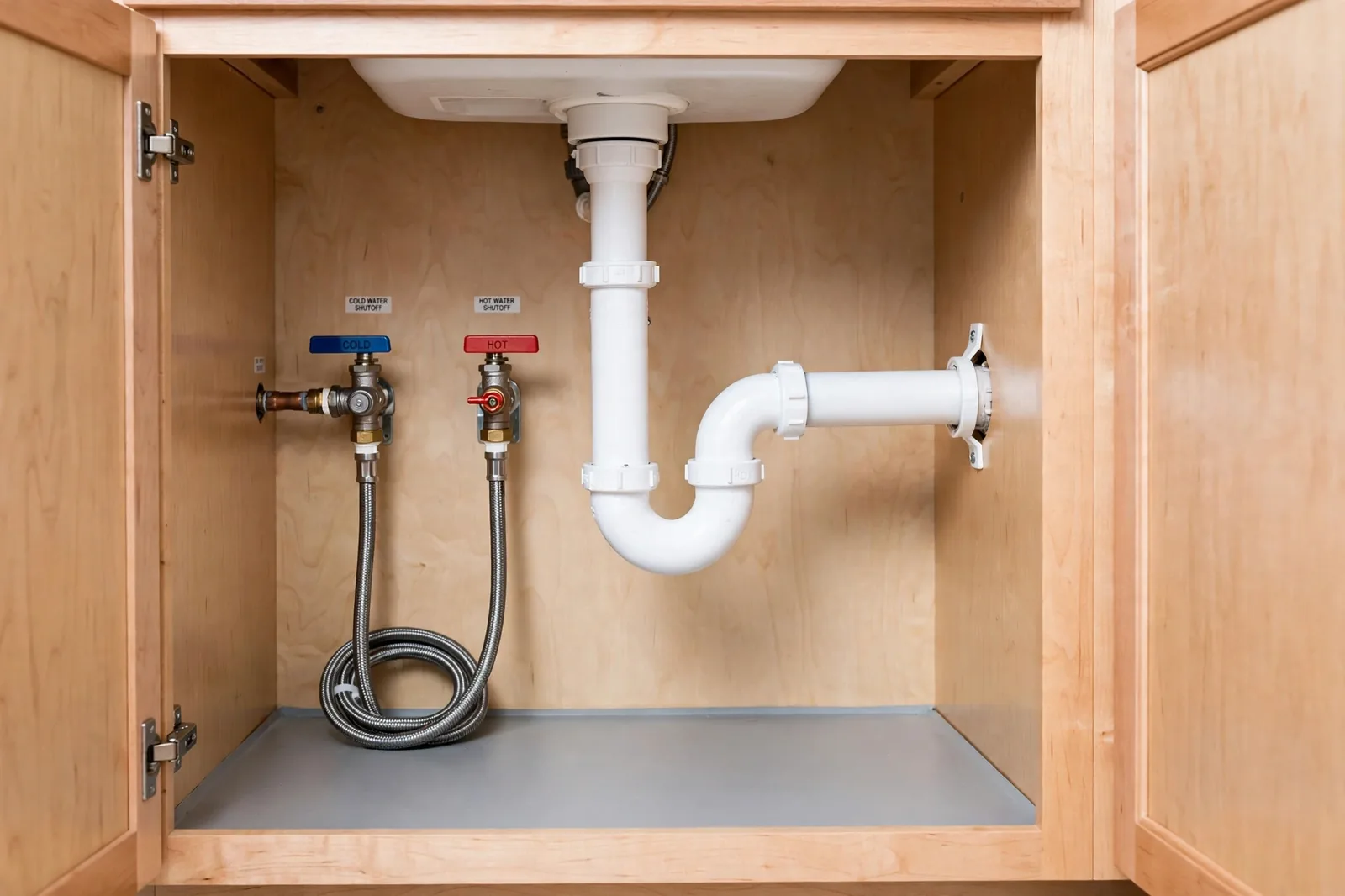
Clean drain plumbing under a sink, the kind involved in a sewage backup

Sewage backup cleanup

Water from a sewer or drain backup is treated as Category 3 water under the IICRC S500 standard. It can carry harmful bacteria and needs trained handling. Keep people and pets away from it, and let a professional deal with cleanup and disposal.

Sewage backup cleanup
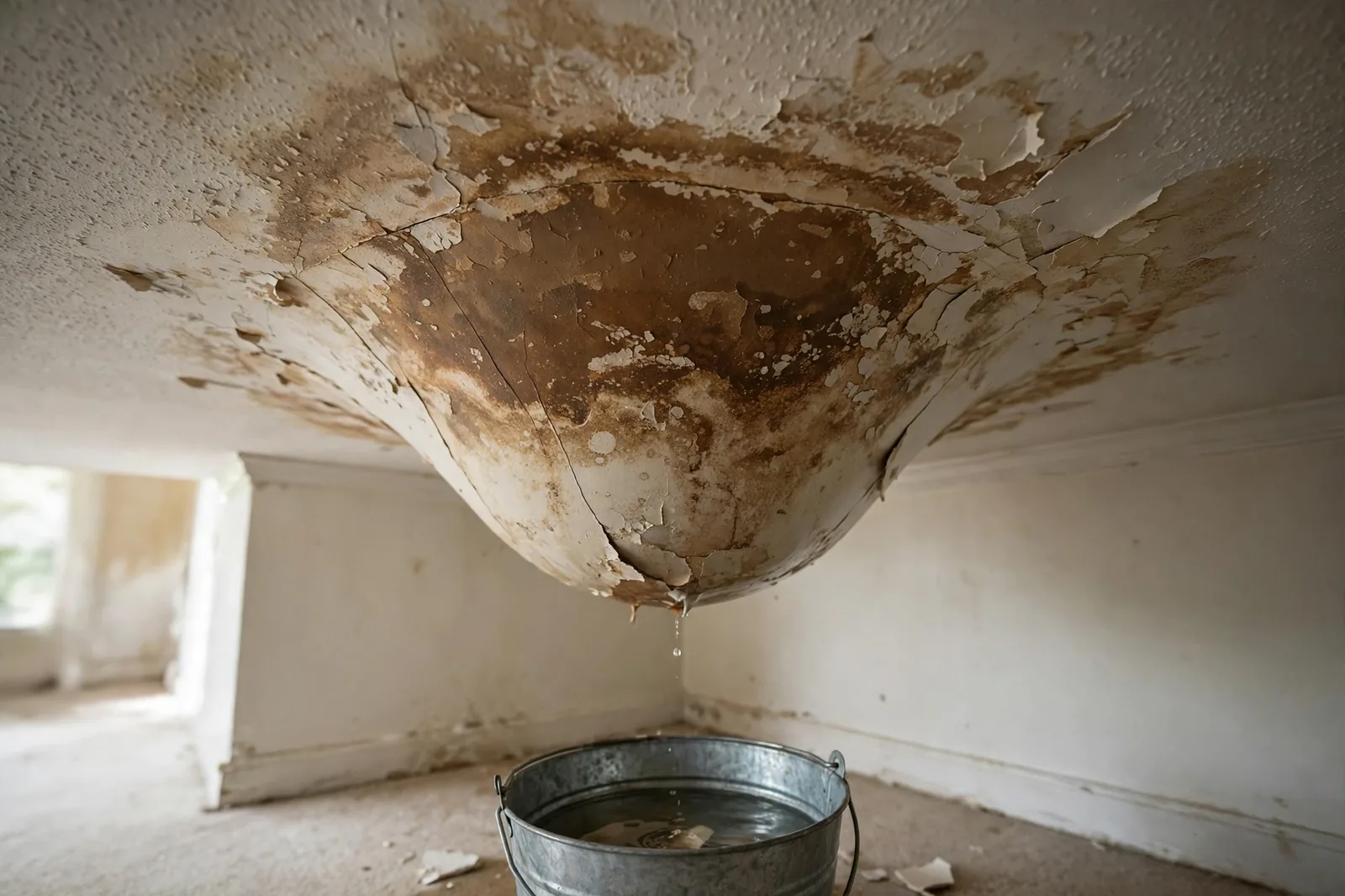
Water-stained ceiling with a sagging patch of drywall

Ceiling water damage help

A stain on the ceiling usually means water is traveling from above. Sources include roof leaks, upstairs plumbing, and AC equipment in the attic. Because wet drywall gets heavy, ceiling damage needs prompt attention.

Ceiling water damage repair

Call Now

The process

How Restoration Generally Works

General information only. This describes how restoration is typically done in the trade. It is not a description of any one company.

Professionals often sort water using the IICRC S500 standard. Category 1 water comes from a clean source, like a supply line. Category 2 water may carry contaminants, like appliance discharge. Category 3 water is grossly contaminated, like sewage. They also use Classes 1 to 4 to describe how much water is present and how hard drying may be.

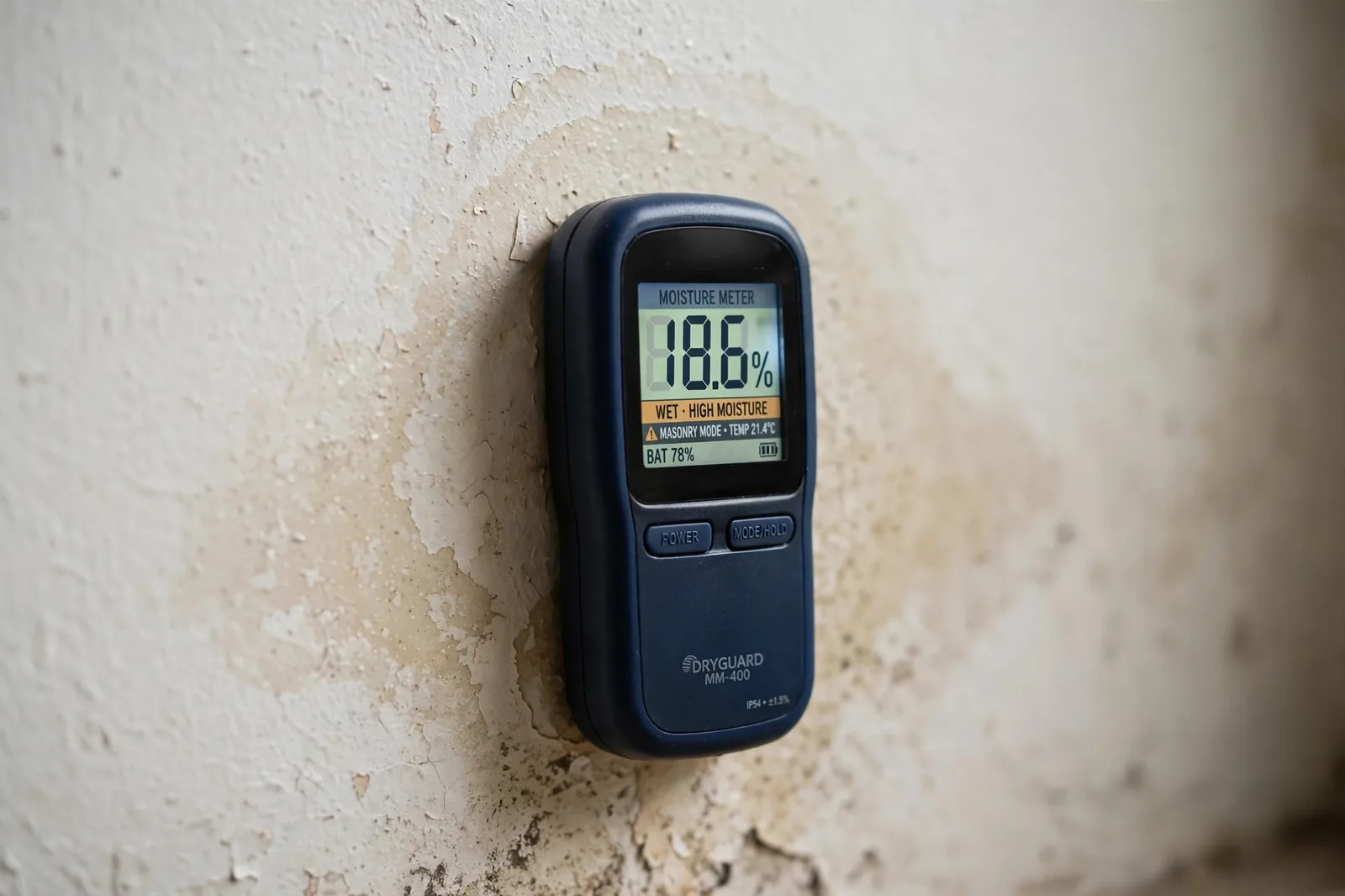
A typical job starts with a moisture check and mapping of the wet area. Next comes extraction of standing water. Air movers and dehumidifiers then dry the structure over a monitored period. Surfaces may get an antimicrobial treatment. Material that cannot dry, like soaked insulation or crumbled drywall, is usually removed. Repairs come last, once moisture readings show the area is dry.
Moisture meter checking a damp wall during a water damage check
1

Moisture check and mapping

The wet area is measured and mapped so drying targets the places water actually reached, including inside walls and under floors.

2

Extraction of standing water

Standing water is removed. The sooner it is out, the less it can spread into clean materials.

3

Drying with air movers and dehumidifiers

Air movement and dehumidification dry the structure over a monitored period, checked with moisture readings.

4

Cleaning and removal of unsavable material

Surfaces may get an antimicrobial treatment. Material that cannot dry, like soaked insulation or crumbled drywall, is usually removed.

5

Repairs once readings show dry

Repairs come last, once moisture readings show the area is dry.
That sequence is the backbone of water damage restoration Boca Raton projects, whether the cause was a burst pipe or a passing storm. You might hear the phrase water damage removal Boca Raton homeowners use when they search. In most cases they mean this same process, from extraction through drying and repair.

Flooded living room in a Boca Raton home after heavy rain
Do not wait

Why Waiting Usually Makes It Worse

Water keeps moving after the leak stops. It wicks up drywall, swells wood, and rusts metal parts you cannot see. According to EPA guidance, mold can begin growing within 24 to 48 hours after water damage in damp conditions. Odors set in as materials stay wet. In many homes, the difference between drying and demolition is measured in days, not weeks.

There is also a safety angle. Wet electrical parts and sewage tainted water do not get safer with time. Both need distance first and a professional second.

Areas

Areas Covered: Water Damage Restoration Boca Raton, FL

This site focuses on one city on purpose: Boca Raton, FL, in Palm Beach County. Calls are matched for homes in these covered Boca Raton ZIP codes:

334283343133432334333343433486334873349633498

The same list sits on the service areas page.

Map-style view of Boca Raton, Florida showing the covered service area
Protect yourself

What to Ask Any Contractor

You stay in control of who works in your home. A few clear questions protect you, whoever you hire. Ask the contractor to confirm the license and insurance the job requires in Florida. Ask whether they follow IICRC S500 methods, and what training their workers hold. Ask what the scope includes, and what it leaves out. Ask for warranty terms in writing, and ask who handles permits if the job needs them.

Ask how floors, furniture, and clean rooms will be kept separate from the work area. Clear answers are a good sign. Vague answers are useful information too. Keep notes from the call.

License and insurance

Ask the contractor to confirm the license and insurance the job requires in Florida.

Methods and training

Ask whether they follow IICRC S500 methods, and what training their workers hold.

Scope in writing

Ask what the scope includes, what it leaves out, and for warranty terms in writing.

Clean areas protected

Ask how floors, furniture, and clean rooms will be kept separate from the work area.

Be ready

Getting Ready for South Florida Rain

South Florida homes face long rainy stretches and intense downpours. A little prep between events goes a long way. Check the AC drain line and pan at the start of the wet season. Look under sinks and behind toilets for slow drips each month. Clear leaves from door thresholds and low entry points before a storm. Know where your main water shutoff is.

They do not replace a professional check once you see damage.

Questions

Frequently Asked Questions

Stop the water if you can do it safely. Close the main valve or the valve at the fixture. Keep clear of wet areas near outlets or appliances. Take photos of the damage for your records. Move dry belongings out of the wet zone. Then call, and describe what you found.

Often yes, but it depends on the water and the rooms involved. Clean water in one room is one thing. Sewage water, wet electrical parts, or a sagging ceiling is another. Ask the professional who checks your home. Their answer should guide where you sleep and which rooms to avoid.

It varies a lot. The water category, the class of loss, and the materials involved all change the timeline. A small clean water leak in one room may dry in a few days. A soaked wall cavity or wood floor can take far longer. Monitoring with moisture readings decides when drying is done.

Usually, yes, once the moisture source is gone and materials are fully dry. Odor tends to linger when hidden pockets stay wet, like inside a wall or under a floor. That is why drying is checked with readings, not by touch alone. If a smell persists after drying, raise it with the professional.

Mold is a fair concern after any water event. EPA guidance notes that mold can begin growing within 24 to 48 hours in damp conditions. Fast drying is the main defense. If you see growth, do not disturb a large area. Ask the professional how they plan to assess and handle it safely.

Yes. Sewage backup is one of the problems Boca Raton homeowners call this number for. Sewage is Category 3 water, and it can carry harmful bacteria. Keep people and pets out of the area. Do not try to clean it yourself. When you call, say clearly that the water involves sewage.

One call connects you with a local water damage professional in the Boca Raton area. You explain the problem, and they explain how they can help and what happens next. It really is that simple. More detail sits in How calling this number works.

You can, and the call is the right place for it. This website does not give estimates and does not set them. When you call, ask the local professional how they handle estimates for a job like yours. They can talk it through with you based on what they find at your home.

Still Standing in Water? Make the Call

If water is spreading in your home, reading more will not dry it. Call now to talk with a local professional about water damage restoration Boca Raton, FL. Explain what you found, ask your questions, and hear what they would do next in a home like yours.

Call Now — (561) 555-0123